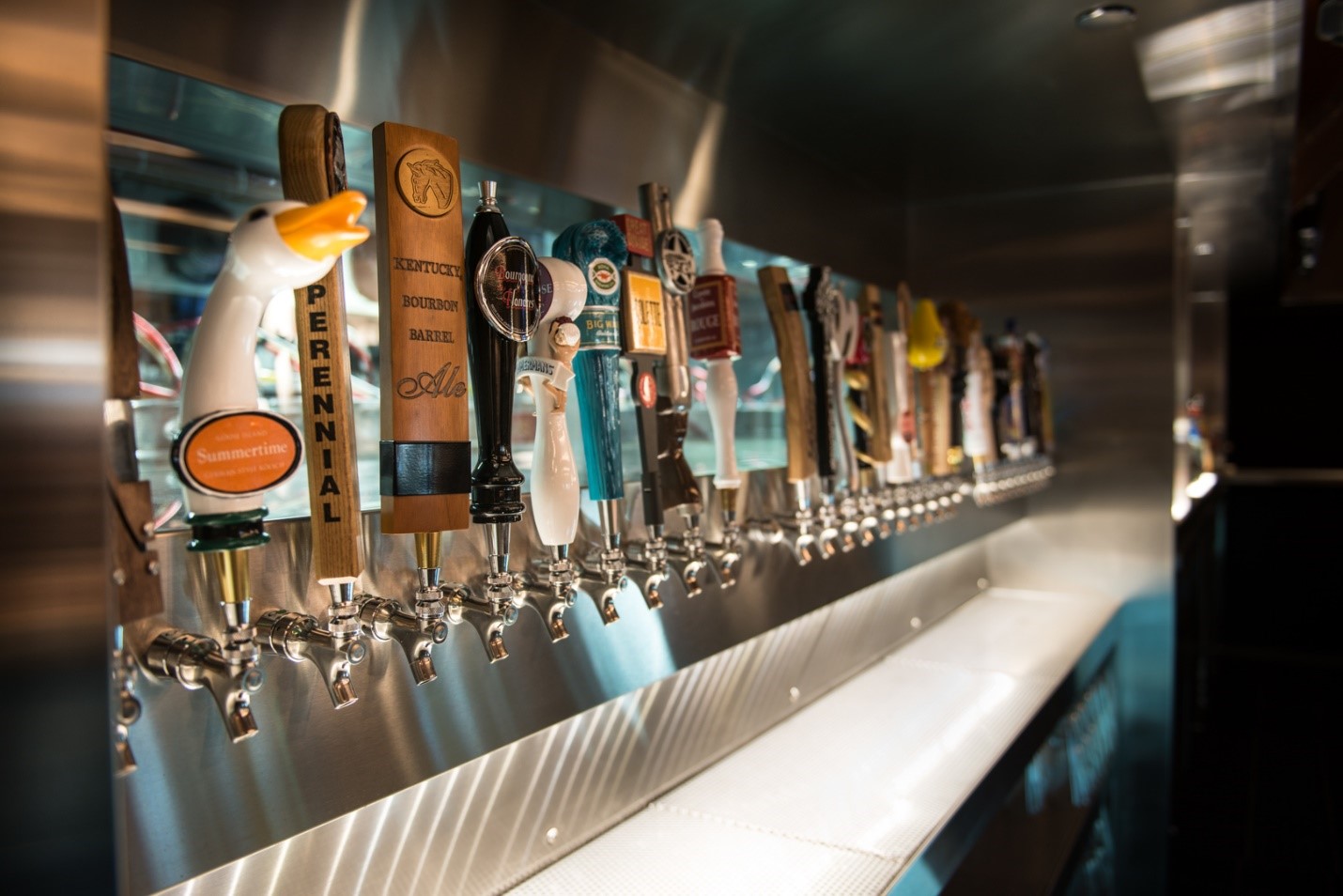
Beverage Station Sanitization Services in Dallas, TX
Thorough cleaning and sanitization of coffee stations, soda fountains, ice machines, and beverage service areas. We prevent mold and bacteria growth while ensuring your drink service areas meet health department standards.
Professional beverage station sanitization services for restaurants in Dallas and surrounding areas. We deliver exceptional results that keep your establishment clean, safe, and ready for operation.
Beverage Station Sanitization Services in Dallas
Beverage stations serve as high-traffic focal points in restaurants, cafeterias, coffee shops, and hospitality venues where customers obtain coffee, tea, soft drinks, and other beverages throughout the day. These areas combine food contact surfaces, water systems, ice handling, and frequent customer contact, creating unique sanitation challenges that require professional attention. Proper beverage station sanitization prevents contamination, ensures beverage quality, and protects customer health while maintaining the equipment performance essential for consistent service.
The Sanitation Importance of Beverage Service Areas
Beverage stations present multiple contamination pathways that make thorough sanitization essential. Ice machines and dispensers can harbor harmful bacteria including Legionella, E. coli, and norovirus if not properly maintained. Coffee and tea equipment accumulates oils and organic residues that affect flavor and breed bacteria. Soda fountain systems develop biofilms in lines and nozzles that contaminate beverages and create health hazards. Customer self-service areas concentrate hand contact and require constant attention to prevent germ transmission.
Dallas's warm climate creates particular challenges for beverage station hygiene. High ambient temperatures accelerate bacterial growth in ice machines and cooling systems. Hard water leaves mineral deposits in equipment affecting performance and creating bacterial harborage points. The city's active restaurant scene means beverage stations see continuous heavy use, generating rapid soil accumulation and wear.
Comprehensive Beverage Station Sanitization
Ice Machine Deep Cleaning and Sanitization
Ice machines present significant health risks when improperly maintained. Professional service includes complete disassembly where manufacturer specifications permit, cleaning of ice bins, augers, evaporators, water distribution systems, and dispensing components. This process removes biofilm, scale, and bacterial accumulation while sanitizing all surfaces contacting ice or water. Following cleaning, equipment is reassembled using proper food safety practices and verified for correct operation.
Coffee and Espresso Equipment Sanitization
Coffee equipment accumulates oils, mineral deposits, and organic matter affecting beverage quality and creating bacterial growth environments. Professional service addresses brewing systems, carafes, airpots, grinders, and espresso machines. This includes descaling to remove mineral buildup, thorough cleaning of all components contacting coffee or water, and sanitization of dispensing areas. Equipment exteriors and surrounding surfaces receive attention ensuring complete area hygiene.
Soda Fountain System Cleaning
Soda dispensers develop bacterial biofilms in nozzles, lines, and ice bins that contaminate beverages and pose health risks. Professional service disassembles and cleans nozzles, diffusers, and dispensing valves. Syrup lines receive flushing and sanitization. Ice bins and dispensing areas are thoroughly cleaned and disinfected. This comprehensive approach ensures beverage safety while maintaining proper carbonation and flavor delivery.
Tea Brewing and Dispensing Equipment
Tea equipment including brewers, dispensers, and urns accumulates tannins, oils, and organic residues that affect flavor and support bacterial growth. Professional cleaning removes these accumulations while sanitizing all food-contact surfaces. This service includes attention to spray heads, filters, and holding equipment ensuring consistent tea quality and safety.
Juice and Specialty Beverage Systems
Juice dispensers, smoothie equipment, and specialty beverage systems receive appropriate cleaning and sanitization for their specific designs. This includes tank cleaning, line flushing, and component sanitization ensuring these often-overlooked systems meet food safety standards.
Water Dispensing Equipment
Water stations, filtered water systems, and hydration stations require regular sanitization preventing bacterial growth in reservoirs, lines, and dispensing points. Professional service addresses these systems with appropriate methods for cold and ambient water systems.
Customer-Facing Surface Disinfection
Self-Service Area Sanitization
Customer self-service beverage stations concentrate high-touch surfaces requiring thorough disinfection. Professional services address dispensers, levers, buttons, cup dispensers, lid holders, straw containers, and condiment stations. These frequently contacted surfaces receive food-safe disinfection effective against common pathogens while safe for incidental food contact.
Counter and Surface Cleaning
Beverage station countertops, splash guards, and surrounding surfaces receive thorough cleaning removing spills, sticky residues, and bacterial accumulation. This includes attention to edges, corners, and areas behind equipment where daily cleaning cannot reach.
Condiment and Accessory Management
Sugar dispensers, creamer stations, stir stick holders, and beverage accessories harbor bacteria and require regular professional cleaning. Services include thorough cleaning of these items, inspection for damage or wear, and proper reorganization for optimal sanitation and customer convenience.
Drainage and Moisture Control
Drain Cleaning and Maintenance
Beverage station drains accumulate organic matter, sugars, and residues creating odor sources and bacterial breeding grounds. Professional service includes thorough drain cleaning, trap maintenance, and treatment preventing buildup and ensuring proper drainage.
Drip Tray and Spill Management
Equipment drip trays and spill containment areas receive detailed cleaning removing accumulated liquids, mold, and bacterial growth. Proper maintenance of these components prevents odor development and contamination spread.
Moisture Control
Professional sanitization identifies and addresses moisture sources supporting bacterial growth. This includes checking for equipment leaks, condensation issues, and ventilation adequacy that affect station hygiene.
Health and Safety Benefits
Pathogen Prevention: Thorough sanitization eliminates bacteria, viruses, and molds that can contaminate beverages and cause illness. This includes pathogens specifically associated with water and ice systems that pose serious health risks.
Biofilm Elimination: Professional cleaning removes biofilms—protective layers bacteria create that resist standard cleaning. These films develop in water lines, ice machines, and moist equipment, requiring specialized approaches for effective removal.
Allergen Control: Proper cleaning prevents cross-contact between different beverage types, supporting allergen management for customers with dietary restrictions.
Equipment Protection: Regular professional sanitization prevents scale, corrosion, and organic buildup that damage expensive beverage equipment, extending service life and maintaining performance.
Quality Assurance: Clean equipment produces better-tasting beverages free from off-flavors caused by residue accumulation or bacterial contamination.
Regulatory Compliance Considerations
Beverage stations fall under health department jurisdiction with specific requirements:
Ice Safety: FDA and local regulations classify ice as food, requiring the same handling and safety standards as other food items. Ice machines must be cleaned and maintained according to manufacturer specifications and health code requirements.
Water System Standards: Beverage water systems must meet potable water standards with proper protection against contamination.
Equipment Maintenance: Health codes require food contact equipment to be clean, sanitized, and in good repair. Professional service documentation supports compliance demonstration.
Hand Contact Surfaces: Customer self-service areas must be maintained in sanitary condition preventing disease transmission.
Dallas County health inspectors evaluate beverage stations during routine inspections, with violations potentially affecting overall facility ratings.
Equipment-Specific Sanitization Protocols
Commercial Coffee Brewers: Professional service addresses spray heads, brew baskets, warming plates, and water reservoirs with appropriate descaling and sanitization.
Espresso Machines: Detailed back-flushing, group head cleaning, steam wand sanitization, and reservoir maintenance ensure these complex systems operate safely.
Cold Brew Systems: Specialized cleaning addresses the extended contact times and unique contamination risks of cold brewing equipment.
Frozen Beverage Machines: These systems require particular attention to freezing components, dispensing mechanisms, and syrup systems.
Hot Water Dispensers: High-temperature equipment requires specific approaches addressing scale, bacterial concerns, and safety components.
Recommended Service Frequency
Beverage station sanitization should supplement daily maintenance:
- Daily: Surface wiping, spill response, ice bin attention, and visible cleaning
- Weekly: Deep equipment cleaning including coffee systems, soda nozzles, and detailed surface disinfection
- Monthly: Comprehensive professional service including ice machine disassembly, line flushing, and complete system sanitization
- Quarterly: Equipment descaling, detailed component inspection, and restoration cleaning
High-volume operations, self-service stations, and equipment with known contamination risks may require more frequent professional attention.
Seasonal Considerations for Dallas
Summer Heat: High temperatures increase bacterial growth in ice machines and cooling equipment, necessitating more frequent sanitization during hot months.
Hard Water Effects: Dallas water hardness creates scale accumulation requiring more frequent descaling and specialized treatments.
Pollen Season: Spring pollen can contaminate outdoor or semi-outdoor beverage stations requiring enhanced cleaning protocols.
Holiday Rush: Peak service periods generate increased equipment use and contamination risks requiring post-season deep cleaning.
Staff Training and Support
Professional sanitization services support operational effectiveness through:
Daily Maintenance Guidance: Training staff on proper daily cleaning protocols maintaining professional service results between visits.
Problem Identification: Professional technicians identify equipment issues, wear patterns, or developing problems requiring maintenance attention.
Product Recommendations: Guidance on appropriate daily cleaning products maintaining equipment warranty and safety standards.
Documentation Support: Service reports supporting health inspection preparedness and quality management documentation.
Emergency Sanitization Services
Professional providers offer rapid response for urgent situations:
Contamination Events: Immediate service following suspected contamination, equipment malfunction, or health concern.
Pre-Inspection Preparation: Intensive cleaning before health department evaluations ensuring compliant conditions.
Outbreak Response: Emergency sanitization when illness is potentially linked to beverage service.
Equipment Issues: Service following repairs, new installations, or extended downtime requiring commissioning-level cleaning.
Choosing Professional Beverage Station Services
When selecting beverage station sanitization services in Dallas, consider:
Equipment Knowledge: Quality providers understand diverse beverage equipment types and manufacturer-specific cleaning requirements.
Food Safety Credentials: Select services using food-safe sanitizers, proper concentrations, and documented contact times meeting regulatory standards.
Comprehensive Approach: Ensure your provider addresses all station components—equipment, surfaces, drains, and customer areas—rather than partial cleaning.
Ice Machine Expertise: Given ice safety importance, verify specific experience with commercial ice machine cleaning and sanitization.
Flexible Scheduling: Professional services should accommodate your operating schedule, working during closed hours or low-traffic periods.
Documentation Quality: Choose providers offering detailed service reports documenting activities, products used, and equipment condition.
Professional beverage station sanitization represents essential maintenance for Dallas restaurants and hospitality venues. This specialized service protects customer health, ensures regulatory compliance, maintains beverage quality, extends equipment life, and supports the efficient beverage service that customers expect and businesses depend upon.
Benefits of Professional Beverage Station Cleaning
Service Areas for Beverage Station Sanitization
We provide beverage station sanitization throughout the Dallas-Fort Worth metroplex, including:
Request a Free Quote
Get a customized quote for beverage station sanitization services.
Call Us Today
Speak directly with our team about your beverage station sanitization needs.
1 (214) 817-3776Related Services
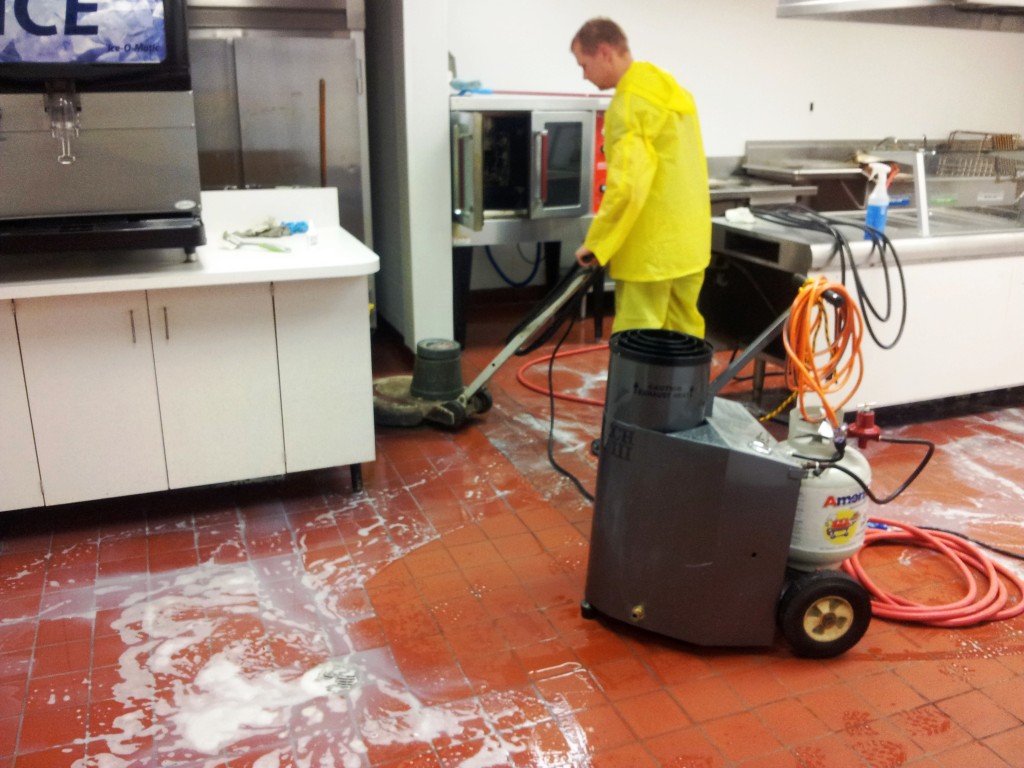
Restaurant Kitchen Deep Cleaning
Comprehensive deep cleaning for restaurant kitchens including floors, walls, equipment, and hard-to-reach areas. We eliminate grease buildup, food residue, and bacteria to ensure a sanitary cooking environment that meets health code standards.
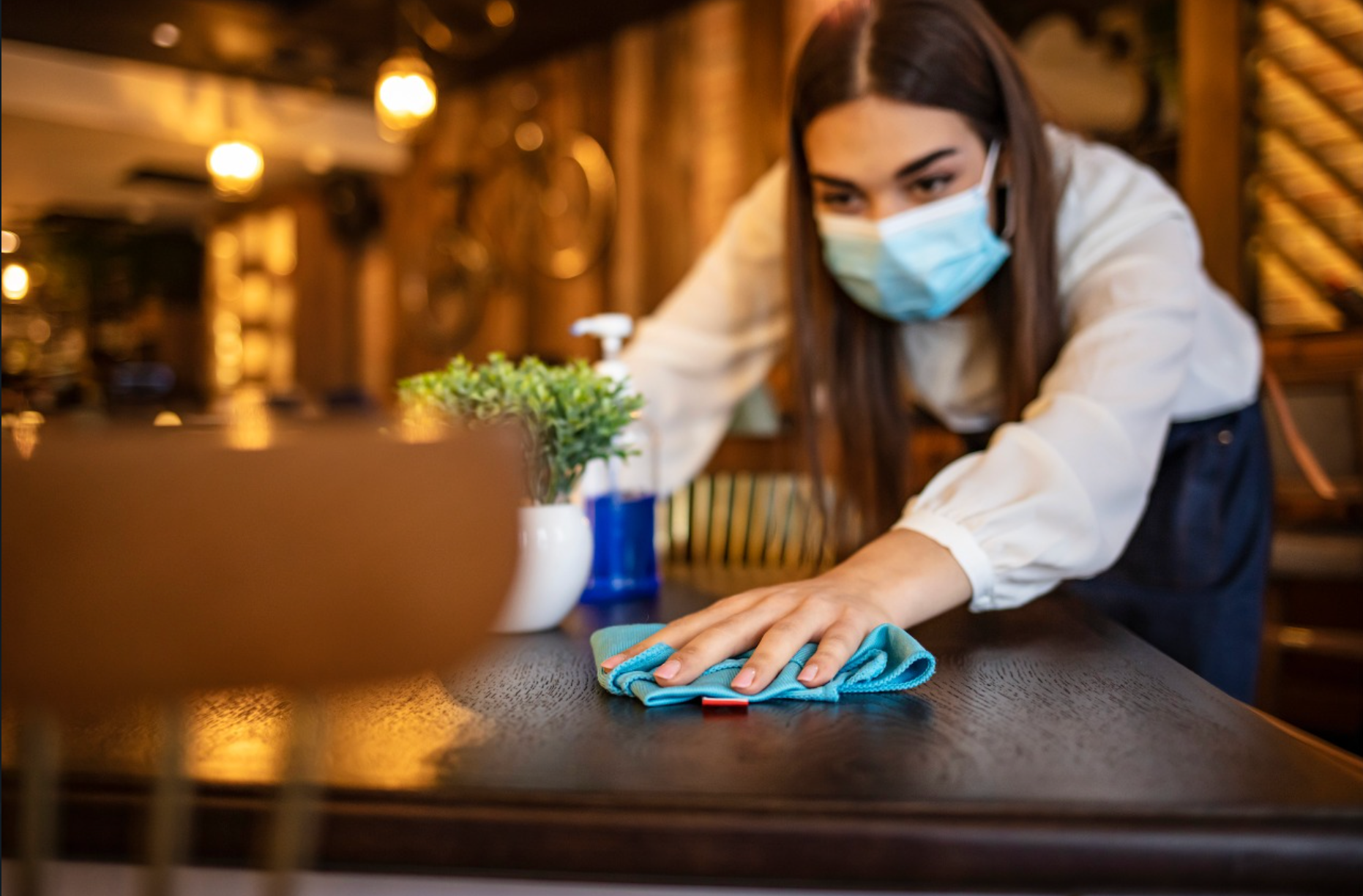
Dining Room Sanitization
Thorough sanitization of dining areas including tables, chairs, booths, and high-touch surfaces. We use food-safe disinfectants to create a clean, welcoming environment that keeps your customers comfortable and protected.
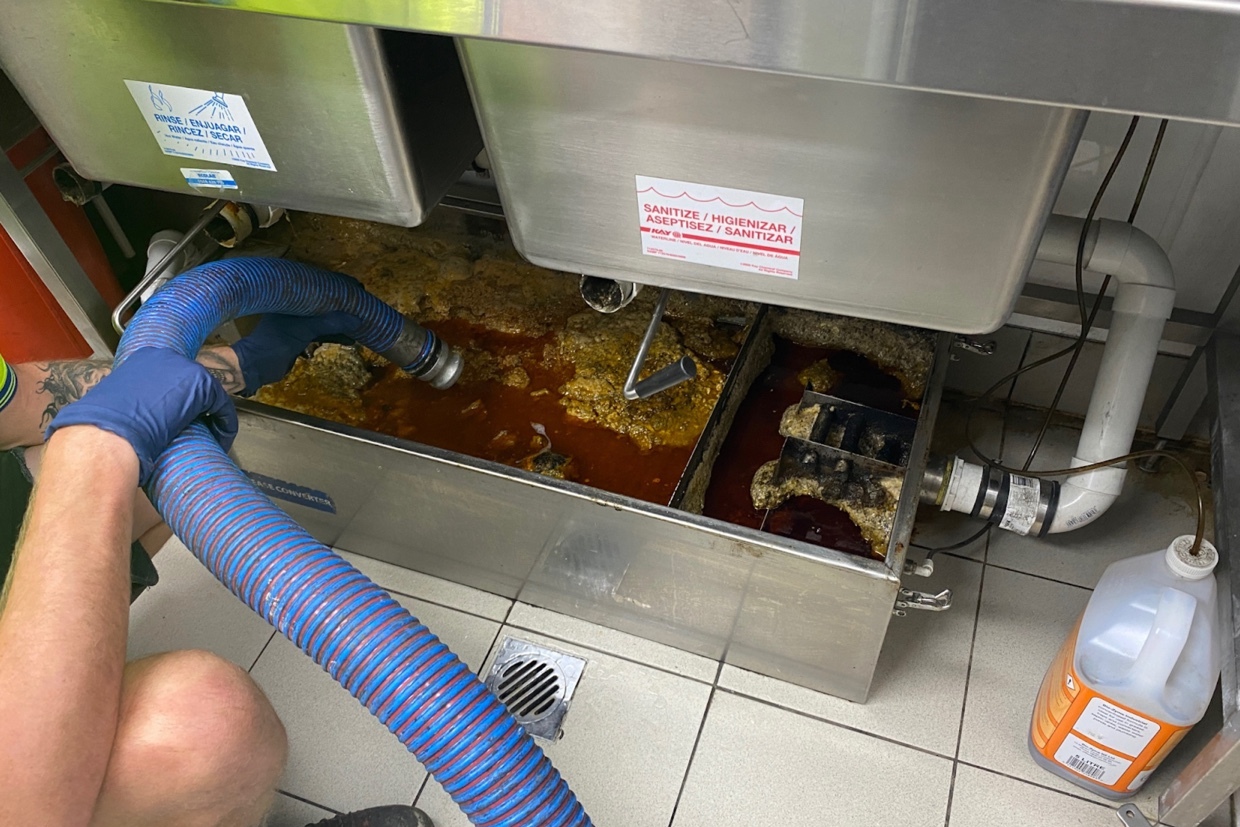
Grease Trap Maintenance
Professional grease trap pumping, cleaning, and maintenance services to prevent clogs, backups, and odors. Regular maintenance helps your restaurant stay compliant with local regulations and keeps your plumbing system running smoothly.