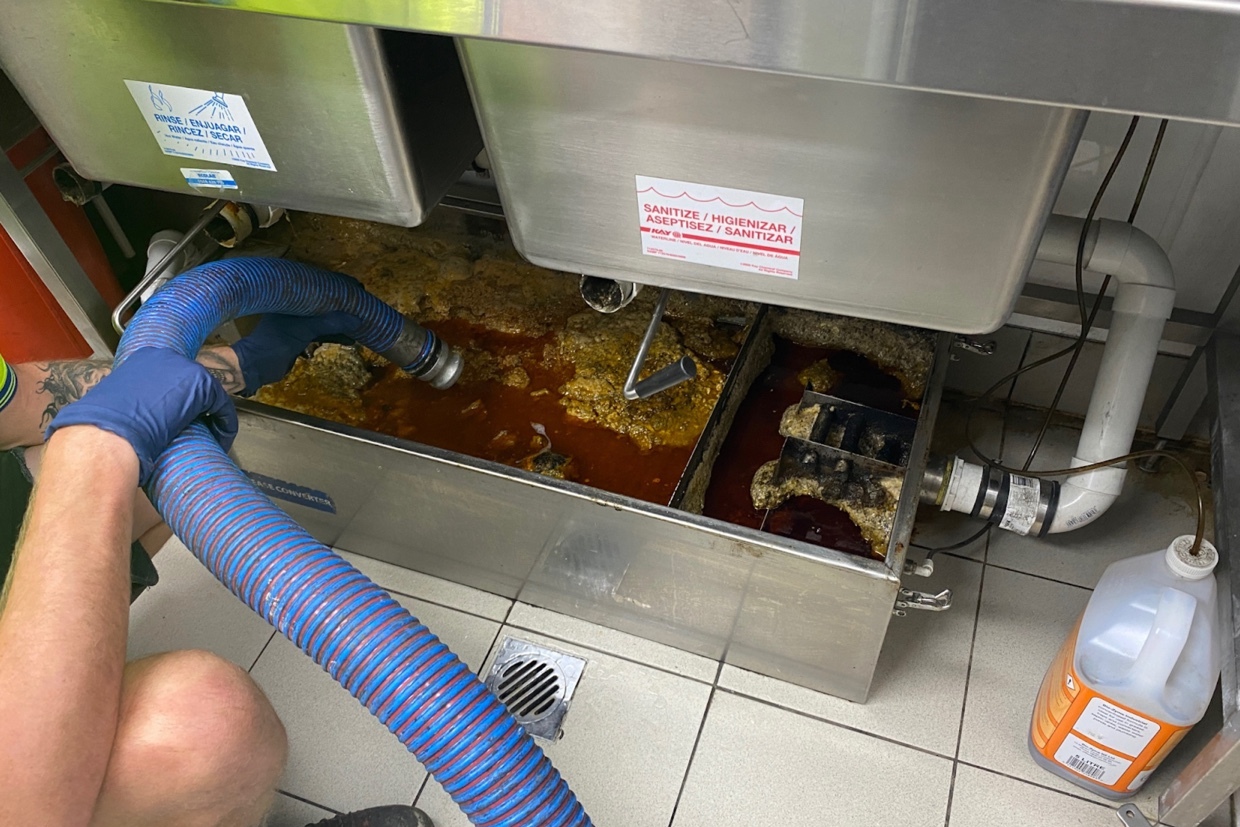
Restaurant Grease Trap Maintenance & Cleaning in Dallas, TX
Professional grease trap pumping, cleaning, and maintenance services to prevent clogs, backups, and odors. Regular maintenance helps your restaurant stay compliant with local regulations and keeps your plumbing system running smoothly.
Professional grease trap maintenance services for restaurants in Dallas and surrounding areas. We deliver exceptional results that keep your establishment clean, safe, and ready for operation.
Grease Trap Maintenance Services in Dallas
Grease traps represent one of the most critical yet frequently overlooked components of restaurant infrastructure. These essential systems intercept fats, oils, and grease (FOG) before they enter municipal sewer systems, preventing costly blockages, environmental damage, and regulatory violations. Professional grease trap maintenance ensures these systems function properly while protecting your restaurant from the serious consequences of grease-related plumbing failures.
Understanding Grease Trap Function and Importance
Grease traps work on simple physics: fats, oils, and grease are lighter than water and naturally separate when wastewater flows through the trap. The grease rises to the top while solids settle to the bottom, allowing relatively clean water to exit through the outlet pipe. This process prevents FOG from entering sewer lines where it can accumulate, causing blockages that result in sewage backups, environmental contamination, and expensive emergency repairs.
Dallas restaurants face particular grease management challenges. Texas cuisine traditions include substantial frying and high-fat cooking methods that generate significant grease waste. Additionally, Dallas's warm climate can accelerate grease degradation and odor development when traps are not properly maintained. The city's growing population and active restaurant scene make proper grease disposal essential for maintaining municipal infrastructure.
Regulatory Requirements and Compliance
Grease trap maintenance isn't optional—it's legally required. The City of Dallas enforces strict regulations governing grease trap installation, maintenance, and waste disposal through its Fats, Oils, and Grease (FOG) Program. These regulations require:
Proper Sizing and Installation: Grease traps must be appropriately sized for your kitchen's volume and properly connected to plumbing systems according to city codes.
Regular Maintenance Schedule: Dallas requires grease traps to be pumped when they reach 25% capacity of grease and solids combined. For most restaurants, this means monthly or quarterly service depending on trap size and kitchen volume.
Documentation and Recordkeeping: Restaurants must maintain detailed records of grease trap maintenance including service dates, volume removed, and disposal documentation for inspection by city officials.
Proper Waste Disposal: Collected grease waste must be transported and disposed of by licensed waste haulers at approved facilities. Improper disposal can result in significant fines and environmental penalties.
Failure to comply with these requirements can result in citations, fines, permit revocation, and potential closure orders. More seriously, grease trap failures can cause sewage backups that close your restaurant for extended periods while creating liability exposure for health hazards and property damage.
Professional Grease Trap Maintenance Services
Inspection and Assessment
Professional maintenance begins with thorough inspection of your grease trap system. Technicians evaluate trap condition, measure grease and solids accumulation, check baffles and internal components, and identify any damage or deterioration requiring repair. This assessment determines appropriate service frequency and identifies potential problems before they cause system failures.
Pumping and Cleaning
Complete grease trap pumping removes accumulated grease, oils, and solids from all trap compartments. Professional equipment ensures thorough evacuation including difficult-to-access areas where buildup commonly occurs. Following pumping, technicians clean trap walls, baffles, and components to remove residual deposits and ensure optimal flow characteristics.
Component Inspection and Maintenance
Grease trap baffles, gaskets, and hardware require periodic inspection and maintenance. Professional services check for corrosion, damage, and proper positioning of internal components. Minor repairs and adjustments prevent small problems from becoming major system failures requiring expensive repairs or replacement.
Odor Control and Treatment
Poorly maintained grease traps generate offensive odors that can affect kitchen operations and potentially reach dining areas. Professional maintenance includes odor control treatments that neutralize smells at their source while proper cleaning eliminates the bacterial growth causing odor development.
Documentation and Compliance Support
Professional services provide detailed documentation of all maintenance activities including volume measurements, service dates, and waste disposal manifests. This documentation satisfies city inspection requirements and supports your compliance program. Quality providers also offer guidance on regulatory requirements and help you establish appropriate maintenance schedules.
Signs Your Grease Trap Needs Immediate Attention
Watch for these warning signs indicating your grease trap requires immediate professional service:
Slow Draining: Sinks and floor drains that drain slowly often indicate grease trap blockages or capacity issues preventing proper flow.
Unpleasant Odors: Foul smells from drains, near the grease trap location, or in adjacent areas suggest trap overflow or bacterial buildup requiring immediate attention.
Visible Grease in Drains: Grease appearing in sink drains or floor drains indicates trap bypass or capacity exceedance requiring emergency pumping.
Gurgling Sounds: Unusual noises from plumbing fixtures often signal ventilation problems or blockages related to grease trap function.
Sewage Backups: Any backup of wastewater represents a serious emergency requiring immediate professional intervention to prevent health hazards and property damage.
Maintenance Frequency Guidelines
Appropriate grease trap maintenance frequency depends on multiple factors:
Kitchen Volume: High-volume establishments generating substantial grease waste require more frequent service than low-volume operations.
Trap Size: Smaller traps fill faster and require more frequent pumping. Larger traps provide greater capacity but still require regular maintenance to prevent solids accumulation and odor development.
Menu and Cooking Methods: Kitchens emphasizing fried foods, high-fat proteins, or heavy sauce production generate more grease requiring frequent service.
Dallas Climate Considerations: Summer heat accelerates grease degradation and odor development, potentially requiring more frequent service during hot months.
Most Dallas restaurants benefit from monthly maintenance to ensure consistent compliance and prevent emergency situations. Your professional service provider can recommend appropriate frequency based on your specific operation after initial assessment.
Environmental and Operational Benefits
Preventing Sewer Blockages: Proper grease trap maintenance protects municipal sewer infrastructure from FOG-related blockages that cause overflows, environmental contamination, and service disruptions affecting entire neighborhoods.
Avoiding Emergency Costs: Regular maintenance prevents the expensive emergency pumping, plumbing repairs, and business interruption costs associated with grease trap failures.
Protecting Kitchen Operations: Well-maintained grease traps support efficient kitchen drainage, preventing the slow drains and backups that disrupt food preparation and service.
Supporting Sustainability: Collected grease waste can be processed into biodiesel and other useful products, supporting circular economy initiatives while ensuring proper waste management.
Selecting a Grease Trap Maintenance Provider
When choosing a grease trap service for your Dallas restaurant, consider:
Licensing and Certification: Ensure your provider holds appropriate city licenses and waste hauling permits required for legal grease trap service and waste transport.
Experience and Equipment: Look for providers with commercial kitchen experience and proper equipment for complete pumping and cleaning without damaging your system.
Documentation Practices: Quality providers offer comprehensive service reports and maintain records supporting your compliance documentation requirements.
Emergency Response: Select providers offering 24/7 emergency service for situations requiring immediate attention outside normal maintenance schedules.
Environmental Compliance: Verify that your provider transports waste to licensed disposal facilities and maintains required environmental documentation.
Professional grease trap maintenance represents essential infrastructure protection for your Dallas restaurant. Proper maintenance prevents costly emergencies, ensures regulatory compliance, and supports uninterrupted kitchen operations while demonstrating environmental responsibility that enhances your business reputation.
Benefits of Professional Grease Trap Maintenance
Service Areas for Grease Trap Maintenance
We provide grease trap maintenance throughout the Dallas-Fort Worth metroplex, including:
Request a Free Quote
Get a customized quote for grease trap maintenance services.
Related Services
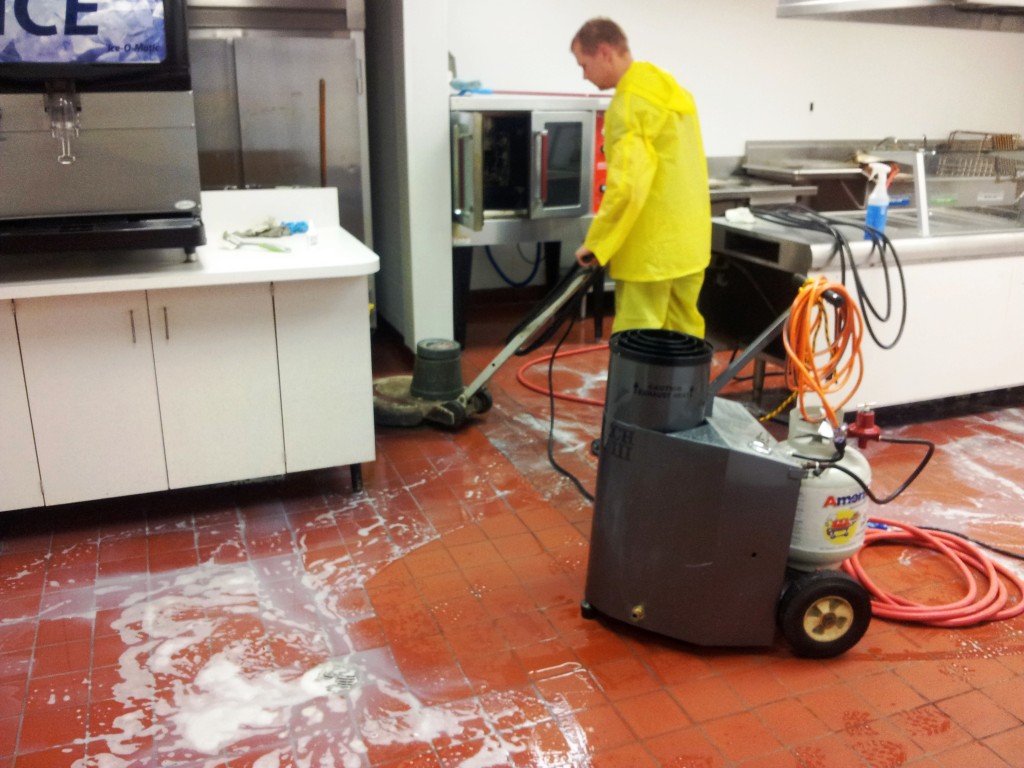
Restaurant Kitchen Deep Cleaning
Comprehensive deep cleaning for restaurant kitchens including floors, walls, equipment, and hard-to-reach areas. We eliminate grease buildup, food residue, and bacteria to ensure a sanitary cooking environment that meets health code standards.

Dining Room Sanitization
Thorough sanitization of dining areas including tables, chairs, booths, and high-touch surfaces. We use food-safe disinfectants to create a clean, welcoming environment that keeps your customers comfortable and protected.
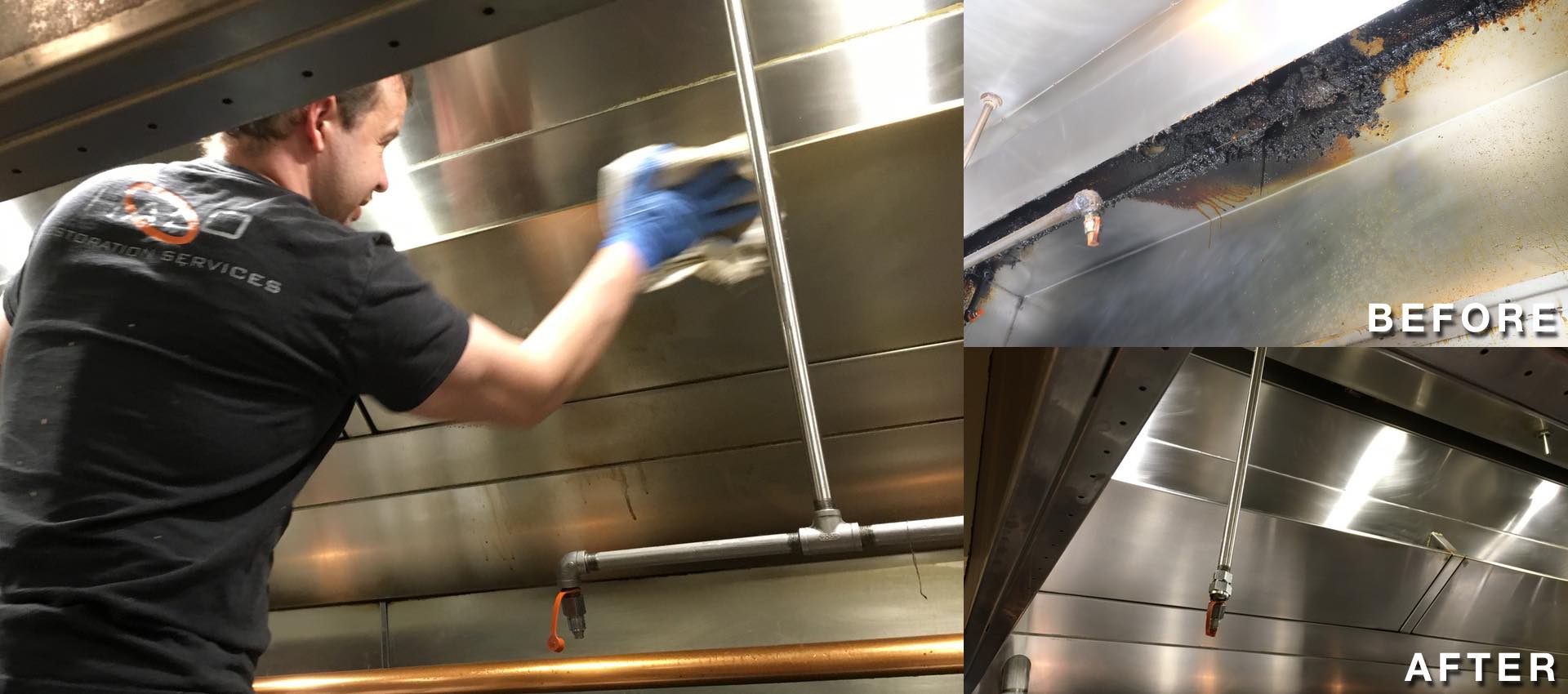
Hood and Vent Cleaning
NFPA-compliant kitchen exhaust system cleaning including hoods, filters, ducts, and fans. Our thorough cleaning removes dangerous grease buildup, reduces fire hazards, and improves ventilation efficiency for a safer kitchen environment.