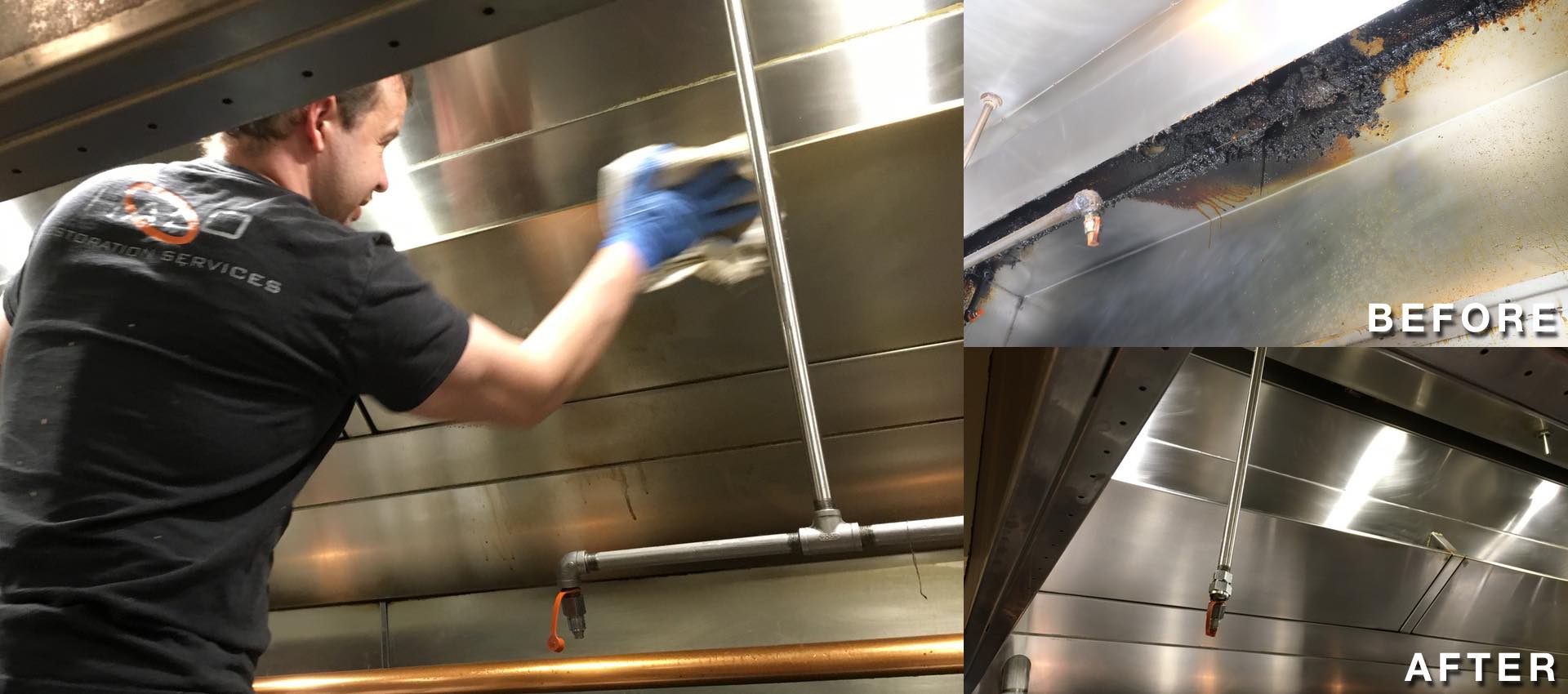
Commercial Hood and Vent Cleaning Services in Dallas
NFPA-compliant kitchen exhaust system cleaning including hoods, filters, ducts, and fans. Our thorough cleaning removes dangerous grease buildup, reduces fire hazards, and improves ventilation efficiency for a safer kitchen environment.
Professional hood and vent cleaning services for restaurants in Dallas and surrounding areas. We deliver exceptional results that keep your establishment clean, safe, and ready for operation.
Hood and Vent Cleaning Services in Dallas
Kitchen exhaust hoods and ventilation systems represent critical safety infrastructure in commercial restaurants. These systems capture heat, smoke, grease-laden vapors, and cooking byproducts, maintaining air quality and preventing dangerous accumulation that creates fire hazards. Professional hood and vent cleaning services ensure your ventilation system functions safely and efficiently while meeting stringent fire code and insurance requirements.
The Critical Nature of Exhaust System Cleaning
Commercial cooking generates substantial quantities of grease-laden vapors that deposit throughout exhaust hoods, ductwork, and fans. This accumulation creates significant fire hazards—the National Fire Protection Association (NFPA) identifies cooking equipment as the leading cause of restaurant structure fires, with inadequate cleaning being a primary contributing factor. Beyond fire safety, contaminated ventilation systems reduce air quality, create unpleasant odors, and decrease system efficiency, increasing energy costs and shortening equipment lifespan.
Dallas restaurants face particular ventilation challenges. High-volume cooking operations common in the city's diverse dining scene generate substantial grease accumulation. Hot Texas summers increase cooling loads, making efficient ventilation essential for maintaining comfortable kitchen temperatures. Additionally, Dallas's active health department inspection program evaluates ventilation system condition as part of routine inspections, making proper maintenance essential for compliance.
NFPA 96 Standards and Compliance Requirements
The National Fire Protection Association Standard 96 establishes minimum requirements for commercial kitchen exhaust system cleaning and maintenance. These standards are adopted into law throughout Dallas and surrounding municipalities, creating legal requirements for restaurant operators:
Inspection and Cleaning Frequency: NFPA 96 requires exhaust systems to be inspected regularly and cleaned whenever grease accumulations exceed specified thickness thresholds. High-volume cooking operations typically require quarterly or monthly cleaning, while lower-volume establishments may qualify for semi-annual service.
Complete System Cleaning: Standards require cleaning of the entire exhaust system including hoods, filters, ductwork, fans, and accessible components. Surface cleaning of visible areas while leaving ductwork contaminated does not satisfy compliance requirements.
Certified Service Providers: NFPA 96 recommends using trained, qualified service personnel familiar with commercial exhaust systems and proper cleaning techniques. The International Kitchen Exhaust Cleaning Association (IKECA) provides certification programs recognizing qualified professionals.
Documentation Requirements: Complete cleaning documentation including before-and-after photos, service dates, areas cleaned, and technician certification must be maintained and available for fire marshal inspection.
Access Panel Installation: Systems must include proper access panels allowing inspection and cleaning of ductwork interior. Missing or inadequate access represents a code violation requiring correction.
Comprehensive Hood and Vent Cleaning Process
Professional exhaust system cleaning follows detailed protocols ensuring complete contaminant removal:
Pre-Service Inspection
Technicians begin with thorough system inspection, documenting grease accumulation levels, system condition, and access point adequacy. This assessment determines appropriate cleaning methods and identifies any components requiring repair or replacement.
Kitchen Protection
Before cleaning begins, technicians protect kitchen equipment, surfaces, and food preparation areas from cleaning chemicals and dislodged grease. This includes covering appliances, sealing sensitive equipment, and establishing containment barriers preventing contamination spread.
Filter Removal and Cleaning
Grease filters are removed and soaked in specialized degreasing solutions that dissolve accumulated deposits. Heavily contaminated filters may require replacement if cleaning cannot restore proper airflow characteristics. Technicians inspect filters for damage that could compromise performance.
Hood Interior Cleaning
The hood interior receives detailed cleaning using scrapers, brushes, and degreasing agents designed for commercial kitchen applications. Technicians remove all accessible grease deposits from hood surfaces, edges, and penetrations where ductwork connects.
Ductwork Cleaning
Through access panels, technicians clean ductwork interiors using specialized equipment including rotating brushes, scrapers, and vacuum systems. This process removes grease deposits throughout the entire duct run from hood to exhaust point, not merely the accessible portions near the hood.
Fan Cleaning and Maintenance
Exhaust fans accumulate substantial grease deposits on blades, housings, and motors. Technicians clean all fan components, inspect belts and bearings, and verify proper operation. Fan cleaning improves efficiency while preventing motor overheating and premature failure.
System Verification and Testing
Following cleaning, technicians verify system operation including fan function, airflow characteristics, and proper filter installation. This ensures the system operates effectively following service.
Documentation and Reporting
Professional services provide comprehensive documentation including service reports, before-and-after photographs, and certification of compliance with applicable standards. This documentation satisfies insurance and inspection requirements while establishing maintenance history.
Fire Safety and Risk Management
Reducing Fire Hazards
Proper exhaust system cleaning removes the fuel source for kitchen fires. Grease deposits ignite easily and burn intensely, creating dangerous fire conditions that can spread rapidly throughout ductwork. Regular professional cleaning significantly reduces fire risk while demonstrating due diligence for insurance purposes.
Insurance Compliance
Restaurant insurance policies typically require compliance with NFPA 96 and regular professional exhaust cleaning. Failure to maintain documented cleaning schedules can result in claim denials if fire occurs, potentially exposing restaurant owners to catastrophic financial losses.
Fire Marshal Inspections
Dallas Fire Marshal offices conduct regular inspections of commercial kitchen exhaust systems. Professional cleaning with proper documentation demonstrates compliance and prevents citations, fines, or operational restrictions resulting from inspection failures.
Operational and Efficiency Benefits
Improved Air Quality
Clean ventilation systems effectively capture cooking fumes, smoke, and odors, maintaining better kitchen air quality and preventing smells from reaching dining areas. This creates more comfortable working conditions for staff and better experiences for guests.
Energy Efficiency
Grease accumulation restricts airflow, forcing exhaust fans to work harder and consume more electricity. Clean systems operate more efficiently, reducing energy costs while maintaining proper ventilation rates. Additionally, improved exhaust efficiency supports kitchen cooling systems, reducing air conditioning loads during Dallas's hot summers.
Equipment Longevity
Grease deposits on fan motors and bearings cause premature wear and failure. Regular cleaning extends equipment lifespan while reducing repair and replacement costs. Clean ductwork also prevents corrosion that can damage expensive ventilation infrastructure.
Signs Your System Needs Immediate Cleaning
Restaurant operators should watch for these warning signs indicating immediate professional service is required:
Visible Grease Drips: Grease dripping from hood edges, ductwork seams, or fan housings indicates dangerous accumulation requiring immediate attention.
Reduced Airflow: Decreased suction at hood openings suggests filter blockage or ductwork restrictions from grease accumulation.
Unusual Noises: Grinding, squealing, or vibrating from exhaust fans often indicates bearing contamination or imbalance from grease deposits.
Excessive Heat: Hot kitchen temperatures or heat radiating from hood surfaces suggest inadequate exhaust capacity from system contamination.
Persistent Odors: Cooking smells lingering in the kitchen or reaching dining areas indicate ventilation system inadequacy from grease-blocked airflow.
Choosing Professional Hood and Vent Cleaning Services
When selecting an exhaust cleaning provider in Dallas, evaluate these factors:
IKECA Certification: Look for companies employing IKECA-certified technicians demonstrating professional training and commitment to industry standards.
Complete System Capability: Ensure your provider can clean the entire system including ductwork, not merely visible hood surfaces.
Proper Equipment: Quality services use commercial-grade cleaning equipment, pressure washing systems, and vacuum collection preventing mess and contamination.
Documentation Quality: Select providers offering detailed service reports with photographs clearly showing cleaning effectiveness and system condition.
Insurance and Bonding: Verify appropriate liability insurance and bonding protecting your business from potential service-related damage.
Flexible Scheduling: Professional services accommodate your operating schedule, working during closed hours to prevent business disruption.
Maintenance Schedule Recommendations
Recommended cleaning frequency depends on cooking volume and type:
- Solid fuel cooking (wood, charcoal): Monthly cleaning required
- High-volume frying or wok cooking: Monthly to quarterly cleaning
- Medium-volume cooking: Quarterly cleaning typically sufficient
- Low-volume or steam cooking: Semi-annual cleaning may be adequate
Your professional service provider can recommend appropriate frequency based on inspection of your specific system and cooking operations.
Professional hood and vent cleaning represents essential safety maintenance for every Dallas restaurant. This investment protects your business from fire hazards, ensures regulatory compliance, maintains insurance coverage, and supports efficient kitchen operations while demonstrating your commitment to safety for staff and guests.
Benefits of Professional Hood & Vent Cleaning
Service Areas for Hood and Vent Cleaning
We provide hood and vent cleaning throughout the Dallas-Fort Worth metroplex, including:
Request a Free Quote
Get a customized quote for hood and vent cleaning services.
Related Services
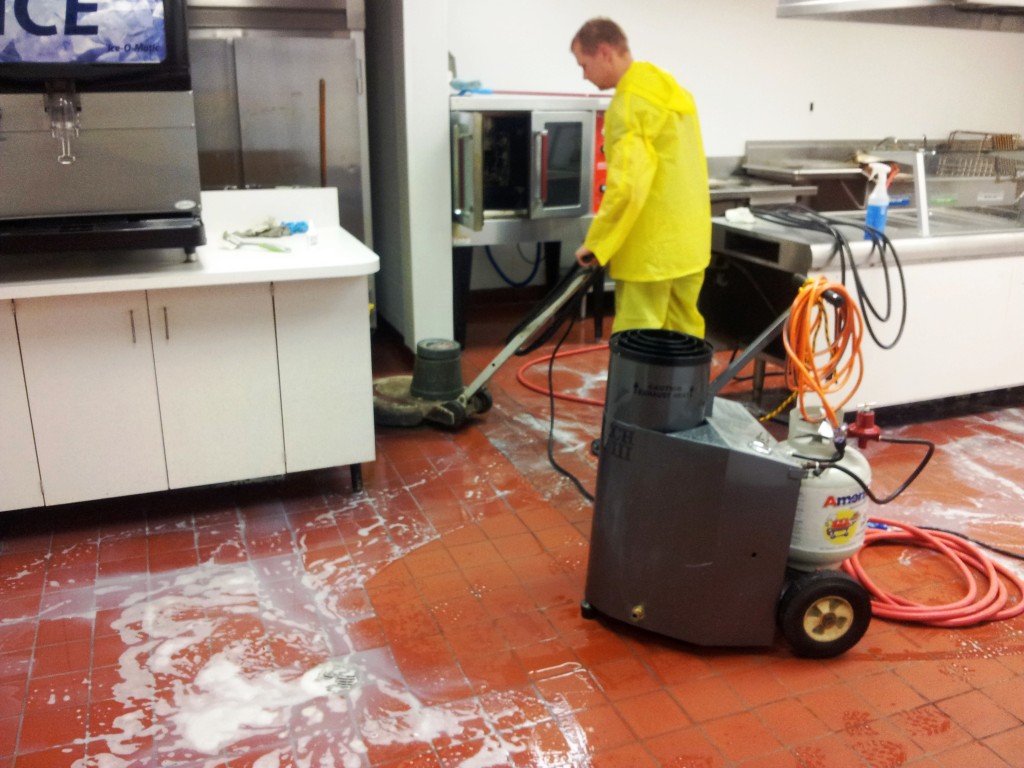
Restaurant Kitchen Deep Cleaning
Comprehensive deep cleaning for restaurant kitchens including floors, walls, equipment, and hard-to-reach areas. We eliminate grease buildup, food residue, and bacteria to ensure a sanitary cooking environment that meets health code standards.
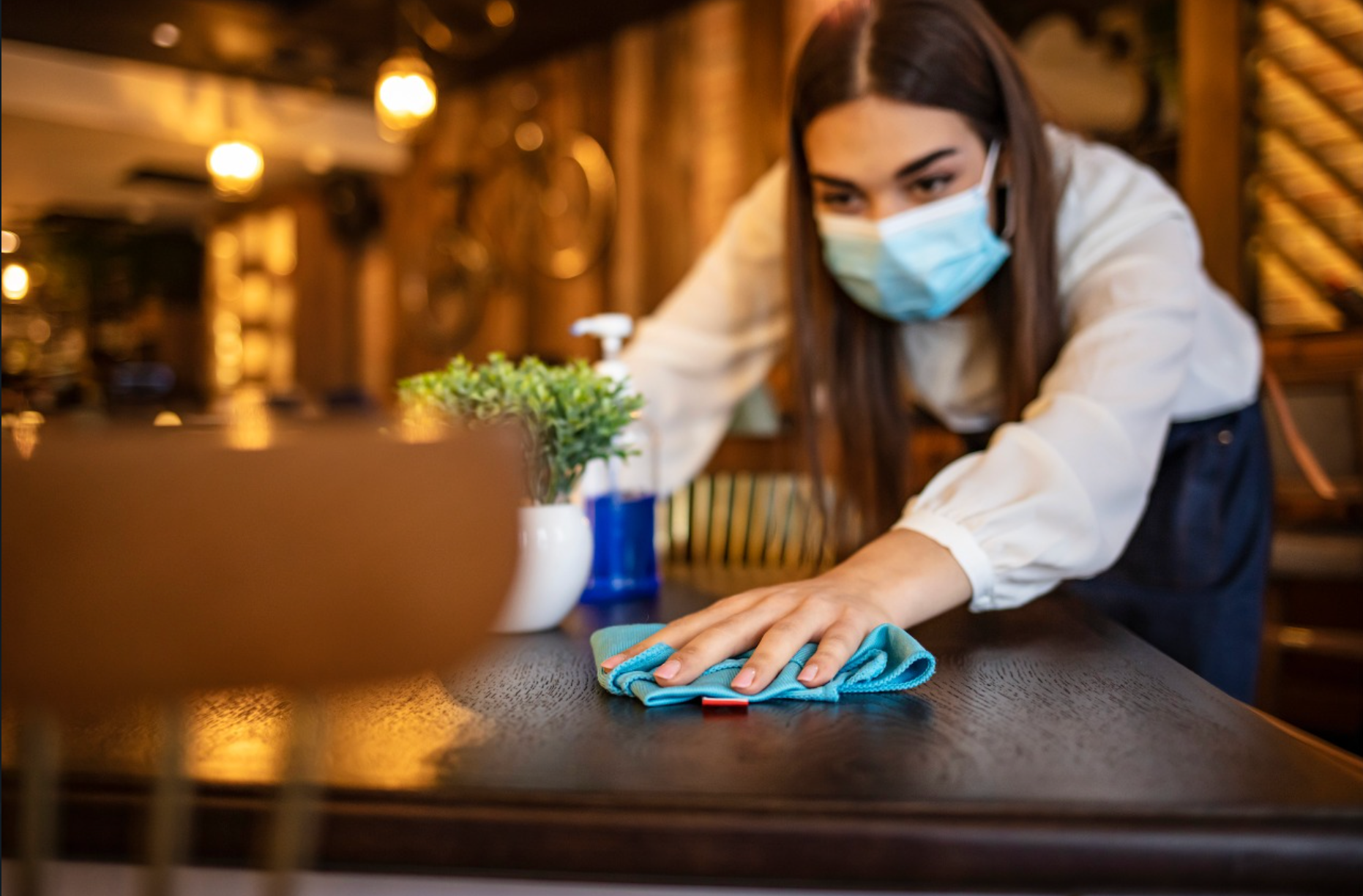
Dining Room Sanitization
Thorough sanitization of dining areas including tables, chairs, booths, and high-touch surfaces. We use food-safe disinfectants to create a clean, welcoming environment that keeps your customers comfortable and protected.
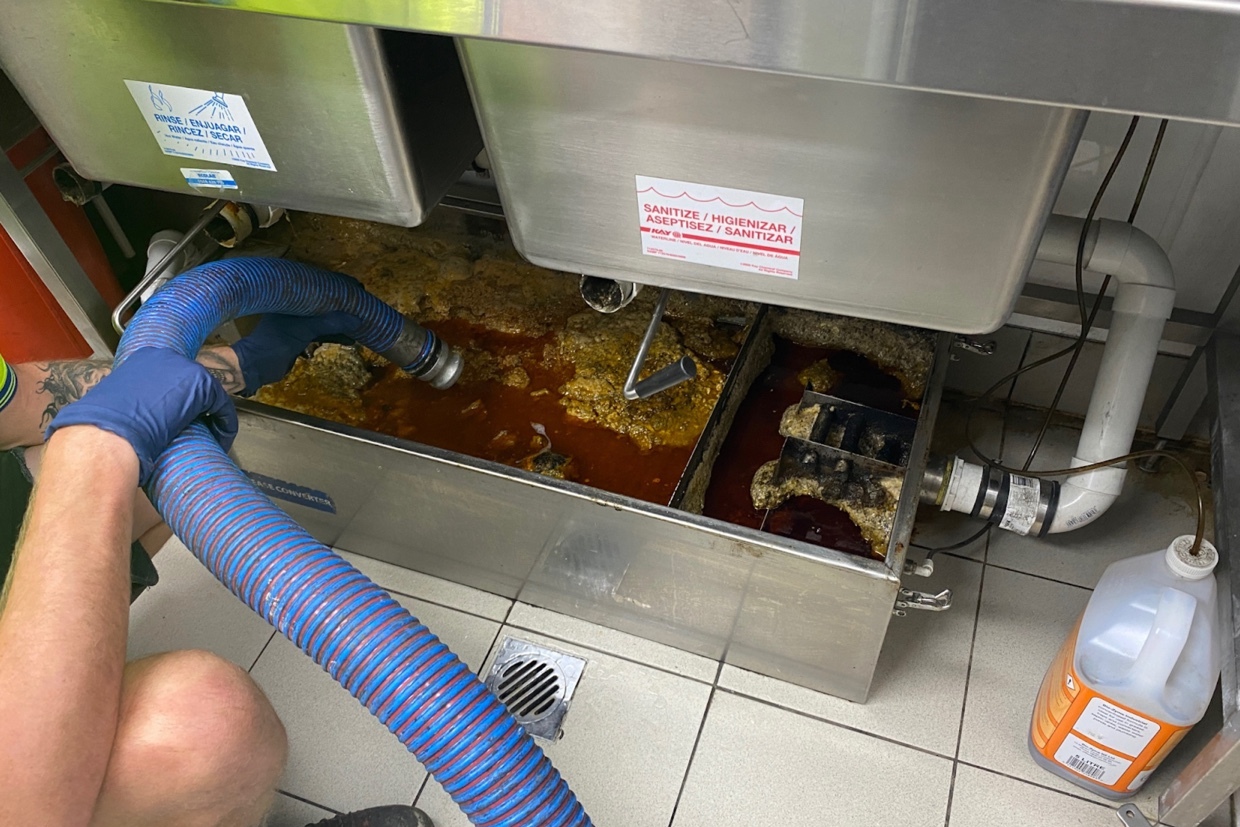
Grease Trap Maintenance
Professional grease trap pumping, cleaning, and maintenance services to prevent clogs, backups, and odors. Regular maintenance helps your restaurant stay compliant with local regulations and keeps your plumbing system running smoothly.